Optical Illusions

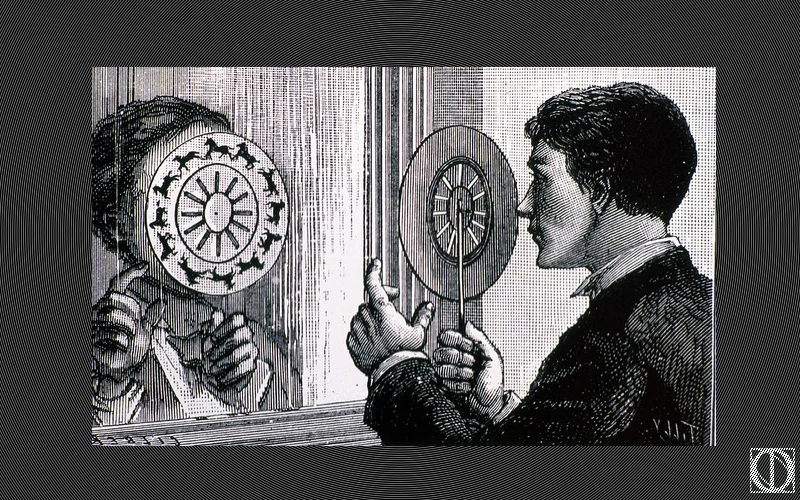
Precursors of Cinema: Optical Illusions and Philosophical Toys in the 18th and 19th Centuries

The 18th and 19th centuries constituted a period of scientific and popular fascination with the nature of visual perception, laying the technological and conceptual foundations for the invention of cinema. Far from being mere entertainments, so-called “philosophical toys” or “optical toys” were crucial instruments at the intersection of art, science, and spectacle, allowing for the exploration and harnessing of the perceptual principles that make the illusion of movement possible, primarily persistence of vision and the phi phenomenon.
Precursors of Cinema: Optical Illusions and Philosophical Toys in the 18th and 19th Centuries Read More »

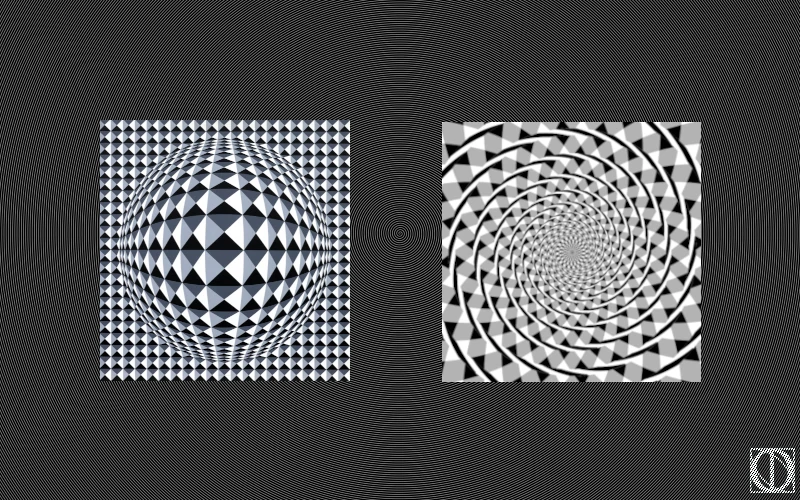
Optical Illusions: Mechanisms of Perception in the Service of Art and Design

The study and application of optical illusions reveal that perception is an act of construction, not reception. By understanding and manipulating these principles, both the designer and the artist cease to be mere creators of forms and become engineers of visual experience. Their work not only communicates a message or a beauty but also illuminates the fascinating processes by which our consciousness makes sense of the world.

Optical Illusions: Mechanisms of Perception in the Service of Art and Design Read More »

Scroll to Top