Editors Pick

A Review of Cirlot’s ‘Dictionary of Symbols’: Editions and Legacy

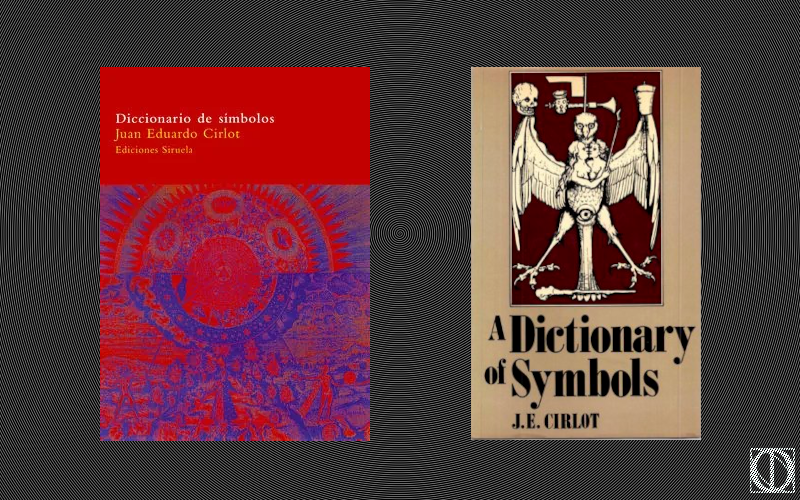
Diccionario de símbolos (Dictionary of Symbols) by Juan Eduardo Cirlot is not a conventional reference work but the culmination of a lifetime dedicated to decoding the hidden language that, according to the author, underlies all cultures, religions, dreams, and works of art.

A Review of Cirlot’s ‘Dictionary of Symbols’: Editions and Legacy Read More »
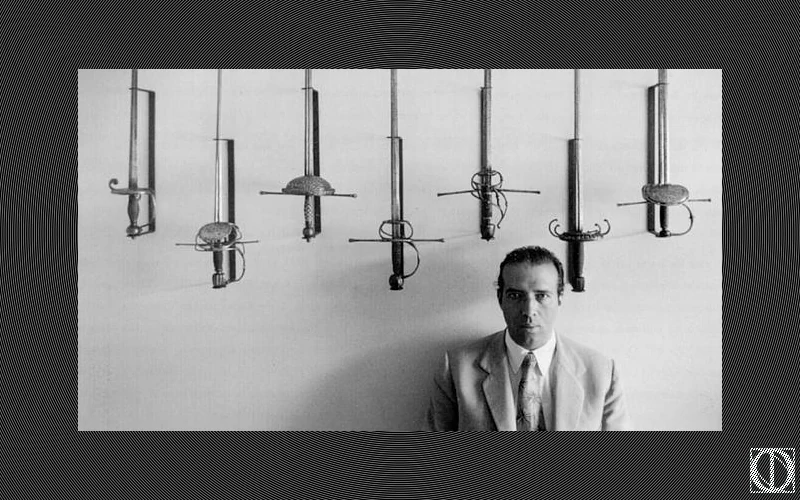
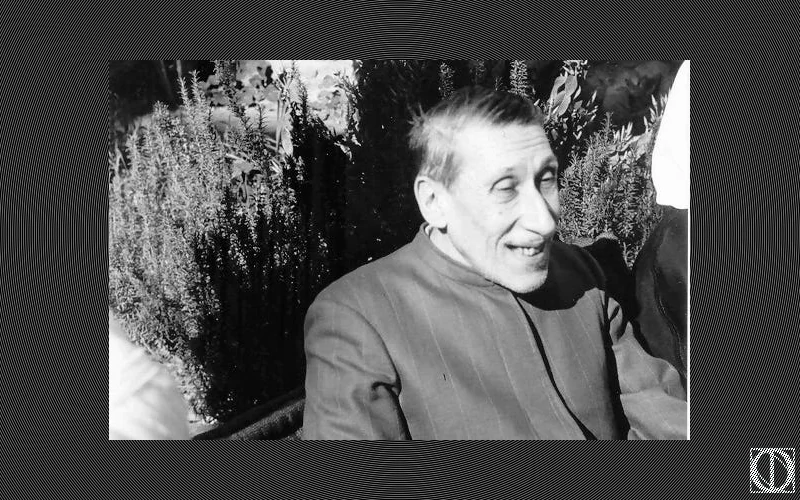
Juan Eduardo Cirlot: The Symbolist of the Avant-Garde

Juan Eduardo Cirlot Laporta (1916-1973) was a Spanish poet, art critic, musicologist, and theorist of symbolism whose intellectual trajectory represents a unique case in 20th-century Hispanic culture. His life was marked by an unceasing quest for a total system of knowledge through the symbol.

Juan Eduardo Cirlot: The Symbolist of the Avant-Garde Read More »

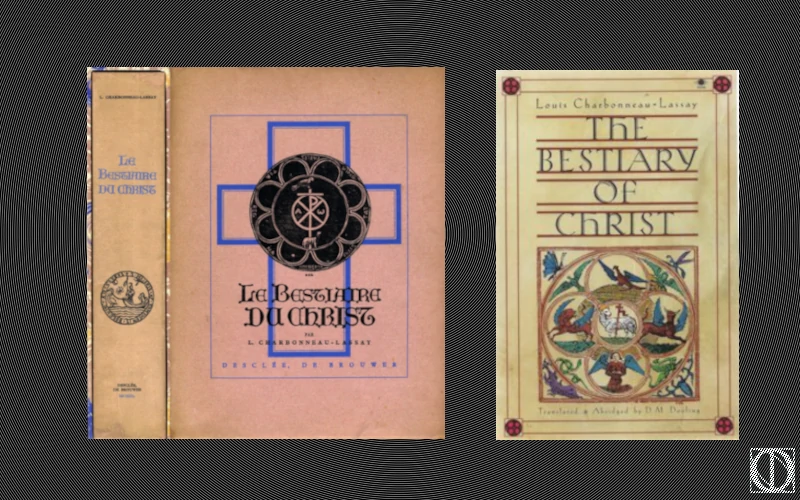
Review: Le Bestiaire du Christ by Louis Charbonneau-Lassay

Le Bestiaire du Christ: La mystique des animaux, symbolisme et iconographie (The Bestiary of Christ: The Mystique of Animals, Symbolism and Iconography) is the magnum opus of French symbologist Louis Charbonneau-Lassay (1871-1946). Published originally in 1940 by Desclée de Brouwer in Bruges, this monumental work of nearly 1100 pages and over 1100 illustrations represents the culmination of fifty years of research into the symbolic language of the Christian tradition. It stands as one of the most comprehensive and erudite studies of its kind in the twentieth century.

Review: Le Bestiaire du Christ by Louis Charbonneau-Lassay Read More »

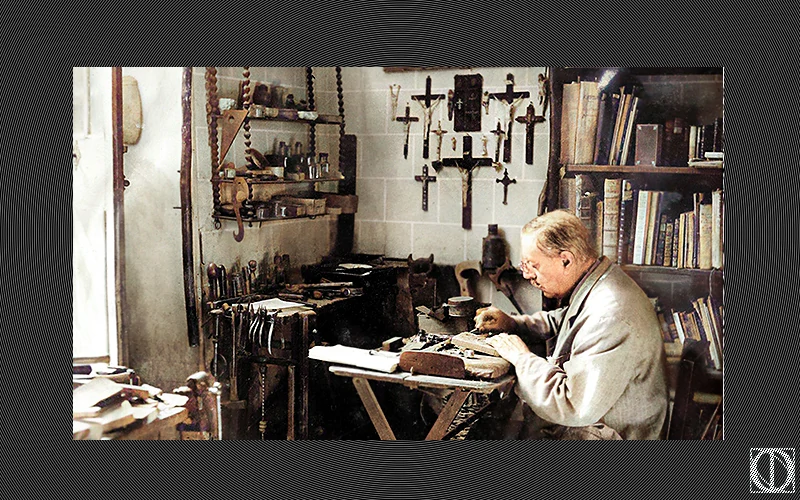
Louis Charbonneau-Lassay: Historian, Archaeologist, and Symbolist of the Heart of Christ

Charbonneau-Lassay’s labour represents a unique effort to rescue the symbolic heritage of Christianity, offering a key to reading that reconciles faith with the intelligence of symbols, and constituting a fundamental bridge between historical erudition and traditional metaphysics.

Louis Charbonneau-Lassay: Historian, Archaeologist, and Symbolist of the Heart of Christ Read More »

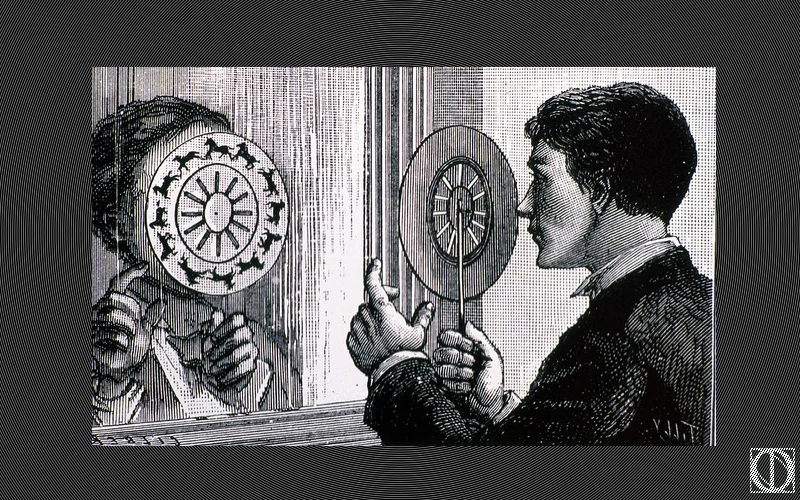
Precursors of Cinema: Optical Illusions and Philosophical Toys in the 18th and 19th Centuries

The 18th and 19th centuries constituted a period of scientific and popular fascination with the nature of visual perception, laying the technological and conceptual foundations for the invention of cinema. Far from being mere entertainments, so-called “philosophical toys” or “optical toys” were crucial instruments at the intersection of art, science, and spectacle, allowing for the exploration and harnessing of the perceptual principles that make the illusion of movement possible, primarily persistence of vision and the phi phenomenon.

Precursors of Cinema: Optical Illusions and Philosophical Toys in the 18th and 19th Centuries Read More »

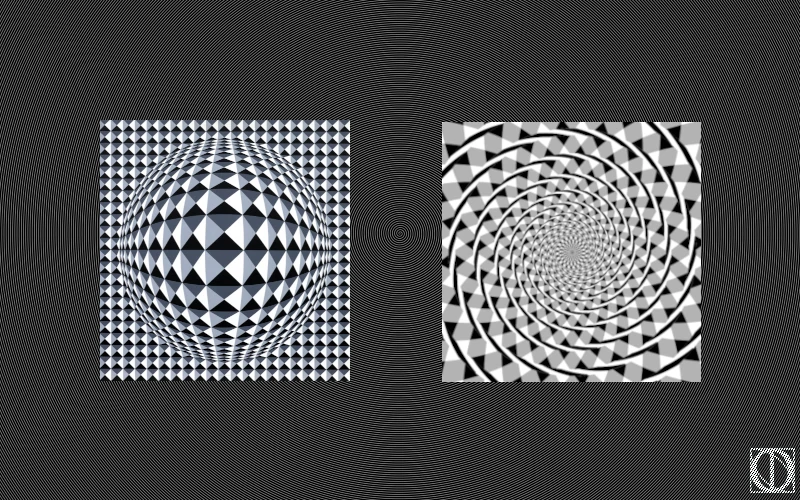
Optical Illusions: Mechanisms of Perception in the Service of Art and Design

The study and application of optical illusions reveal that perception is an act of construction, not reception. By understanding and manipulating these principles, both the designer and the artist cease to be mere creators of forms and become engineers of visual experience. Their work not only communicates a message or a beauty but also illuminates the fascinating processes by which our consciousness makes sense of the world.

Optical Illusions: Mechanisms of Perception in the Service of Art and Design Read More »

The Divine Proportion: A History of the Golden Ratio

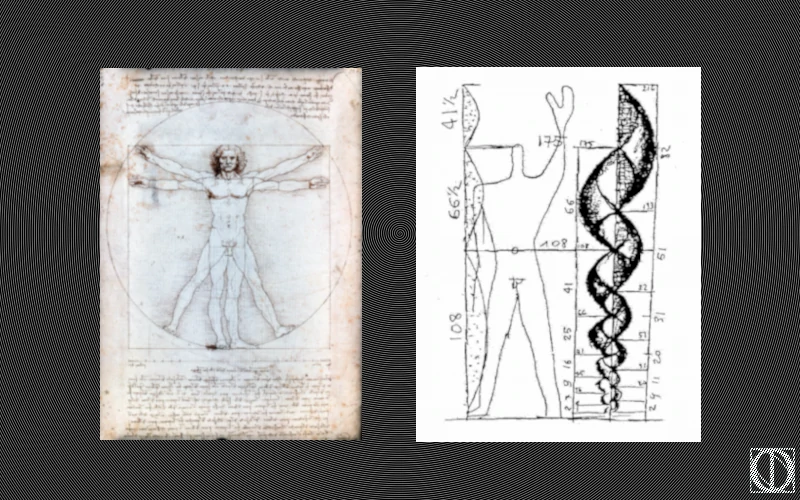
The golden ratio, approximately 1.6180339887…, and often denoted by the Greek letter Phi (Φ), is one of the most fascinating and meaningful mathematical constants in history. Its journey, from ancient civilizations to contemporary culture, reveals a persistent search for harmony and perfect proportion in the universe, art, and architecture.

The Divine Proportion: A History of the Golden Ratio Read More »

The Hidden Geometry of Art: A Millennial Journey from Euclid to Modernism

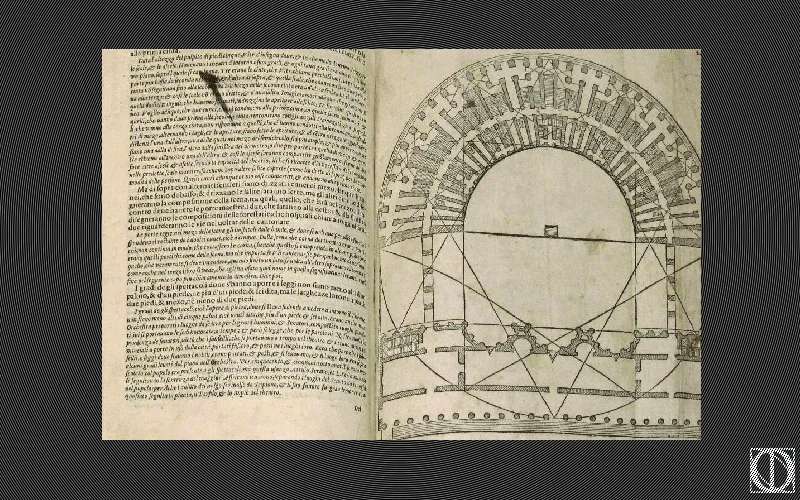
The development of geometry, from its origins in antiquity to the avant-garde movements of the 20th century, has constituted the intellectual and formal framework upon which Western architecture and visual arts have been built. This symbiotic relationship, oscillating between technical utility and profound symbolic significance, has been a fundamental engine of aesthetic innovation.

The Hidden Geometry of Art: A Millennial Journey from Euclid to Modernism Read More »

Scroll to Top